.jpg)
A Lightweight IDE for Java Developers
JCreator, developed by Xinox Software, is a lightweight integrated development environment (IDE) for Windows that focuses on accessibility and speed. Designed for Java developers—especially beginners or those who prefer a simpler setup—it provides the core tools needed to edit, compile, and manage Java projects in one place. Its streamlined layout ensures an efficient and beginner-friendly coding experience without the clutter of larger IDEs.
Designed for Simplicity and Speed
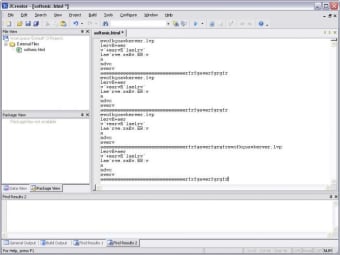
One of JCreator’s main strengths is its performance. Written in C++, it is lighter and quicker to launch than Java-based IDEs such as Eclipse or IntelliJ IDEA. The interface follows a familiar, classic Windows IDE layout that can be customized to match user preferences. While its design now feels dated, the environment remains functional, easy to navigate, and well-suited for educational use or smaller Java projects.
Streamlined Coding Experience
JCreator includes essential tools such as project management, syntax highlighting, and basic code completion to enhance the development process. Auto-import functionality is available in the Pro edition, helping speed up workflow. However, debugging capabilities are limited to core features like breakpoints, which may not satisfy advanced developers seeking more robust debugging or refactoring options. Its lightweight nature favors quick compiling and straightforward editing over advanced automation.
Support and Documentation
Although JCreator maintains a reputation as a user-friendly IDE, its official website and update activity appear inactive, which limits support for newer Java versions. The user community is small, and while official documentation exists, much of it is outdated. Beginners will still find the setup process simple, but experienced programmers may prefer more actively supported environments.
Focused and Effective for Beginners
Overall, JCreator remains a practical choice for learners and educators looking for a fast, simple Java IDE on Windows. Its ease of use and smooth performance make it ideal for classroom settings and lightweight projects. However, the dated interface, limited debugging tools, and lack of ongoing updates restrict its appeal for modern or large-scale development.










.png)

.png)